No decision taken on changing Russian oil tax system: Minister

Russia has not decided whether to change taxes on oil firms in the world’s top crude producer, Finance Minister Anton Siluanov said on Tuesday, with energy companies warning that higher taxes would hit output.
Russian oil firms are benefiting from a lower rouble as it helps offsets the slide in oil prices, given the companies receive revenues from crude and gas sales in hard currency.
Russia’s economy, hit by weak oil prices and sanctions over Ukraine, is expected to shrink by between 3.9 and 4.4 percent this year and the government is looking for additional sources of revenue for the state budget.
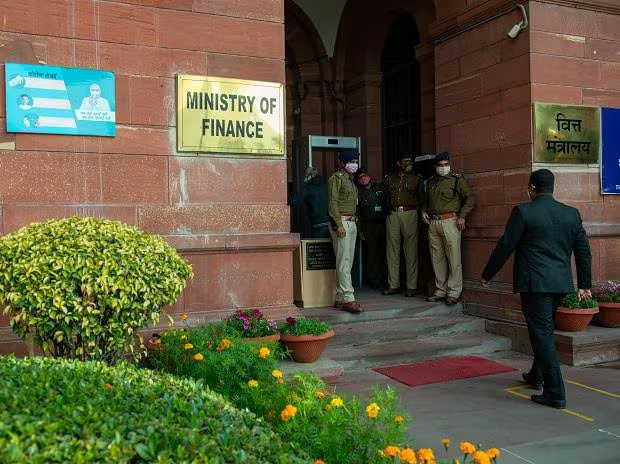
Last week, the Finance Ministry proposed changing the mechanism for mineral extraction tax (MET) calculation to bring in about 600 billion roubles in additional revenues in 2016, a document obtained by Reuters showed.
“Proposals were made, decision was not taken,” Siluanov told reporters after discussing the idea with President Vladimir Putin on Tuesday.
Russia’s finance ministry has watered down proposals to tax oil companies on windfall revenue from the weak rouble, a source familiar with discussions told Reuters on Tuesday.
The source said the original proposal had been changed to freezing oil export duty cuts for one year, but keeping an MET increase as planned earlier.
“This is around 190 billion roubles ($2.9 billion) (in additional budget revenues). Russian oil firms have earned around 400 billion roubles on the weak rouble, so it would be fair to split it,” the source said.
Under the current system, Russia has been gradually raising MET and cutting oil export duties. It has also been lowering export taxes on high-margin products such as gasoline and raising duties on fuel oil.
THREAT OF PRODUCTION FALL
The wrangling over oil taxes shows the hard choices Putin has to make both to keep promises on social spending while maintaining good relations with the energy bosses whose support he needs to stay in power.
On Tuesday, Putin ordered the government to come up with proposals to ensure revenue earned by domestic exporters thanks to the weak rouble goes to the budget.
“Of course, we should act very accurately so as not to hurt the finances of exporting companies, so that they can maintain their investment capabilities,” Putin told a government meeting.
He did not publicly comment on the ways revenues could be raised. Russian oil production remains near post-Soviet highs of about 10.7 million barrels per day, with the low rouble offsetting lower oil prices.
Still, following the Finance Ministry’s proposals, a number of oil companies told the government their investment – and consequently drilling and production – might fall, three oil sources told Reuters.
“The harsh proposal could lead to reduction in capital investments across the sector of at least 20 percent,” one of the sources said.
Rosneft, whose CEO Igor Sechin was the only senior oil man at the meeting with Putin on Tuesday, declined to comment. Lukoil, Gazprom Neft and Bashneft also declined to comment.